One brain, every farm.
Verdant OS is the operating system running on every Hinton Lab system — from the countertop One to the 12,000 m² Rotterdam Tower. Federated, audited, and getting smarter every week. Same code path. Same recipes. Same guarantees.
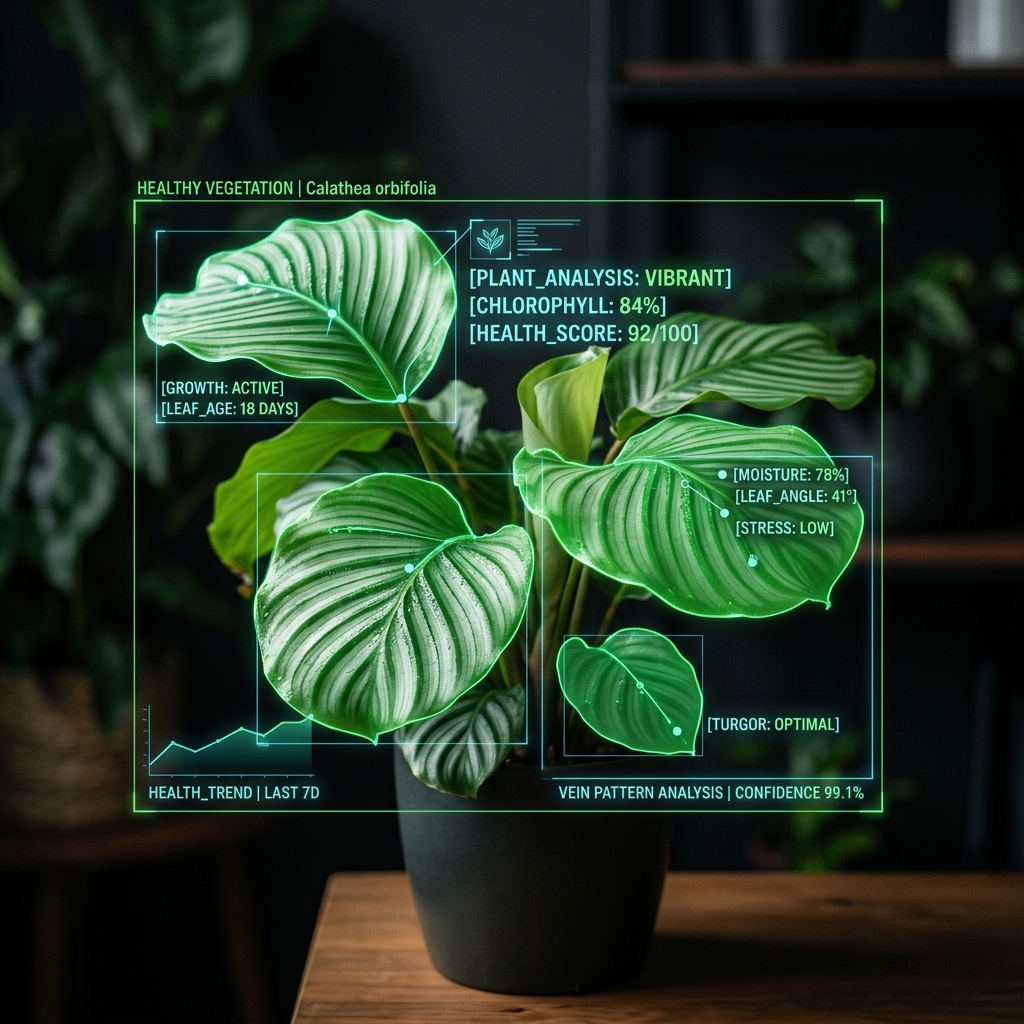
Six modules, one decision loop.
Vision
A 14M-parameter ViT runs on every OPT-2 canopy camera. Predicts chlorophyll, growth rate, stress markers and disease at a 4-second cadence.
Forecast
A learned dynamics model projects per-slot yield 14 days ahead with ±4.6% median error. Feeds the dispatch scheduler.
Control
Off-policy actor-critic policy decides setpoints for light, water, dosing, climate. Trained against a 36-hour reward horizon.
Federation
Each farm contributes labelled samples and gradient updates to a shared crop model. No raw images leave the customer's site.
Dispatch
When a canopy is ready, the room schedules its own harvest, books the chilled-lorry route, and notifies your POS.
Audit & explain
Every action — every dose, every light change — is timestamped, reproducible, and queryable for 7 years.
Federated, not centralized.
Customer images never cross sites.
The OS runs partly at the edge — on an ARM module shipped inside every Verdant unit — and partly in our cloud. Inference is on-device; only aggregated gradient updates and depersonalized telemetry are sent up. The shared model improves; the raw imagery stays at the customer. This is not a marketing choice. It's the only way SOC 2 Type II and GDPR sign off at scale.
An API built for ops teams.
// realtime telemetry
const ws = vd.stream({
  site: "rotterdam-1",
  metrics: ["canopy_density", "ph", "ec"],
});

ws.on("tick", ({ slot, m }) => {
  if (m.canopy_density > 0.92) {
    schedule.harvest(slot.id, "+24h");
  }
});
Read, react, dispatch.
Every signal the OS uses internally is available on the API: 84 REST endpoints, a WebSocket telemetry stream, signed webhooks, and a read-only GraphQL gateway. First-party SDKs in Python, TypeScript and Go.